
The Role of Jiu-Jitsu in Military Training
latest posts
latest posts
 Discipline: The Hidden Strength Behind Martial Arts on27 Nov 2025
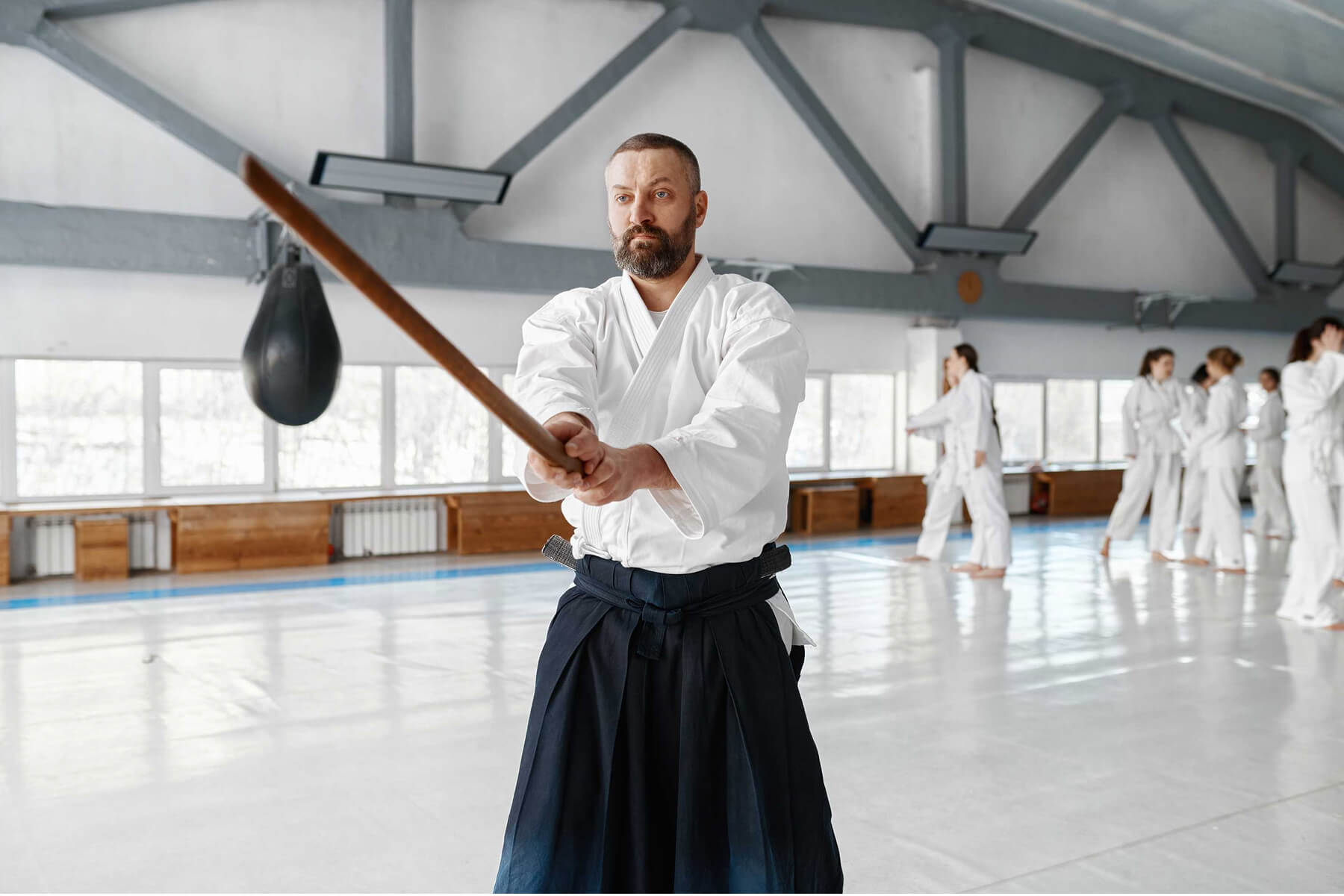 Discipline: The Hidden Strength Behind Martial Arts on12 Oct 2025
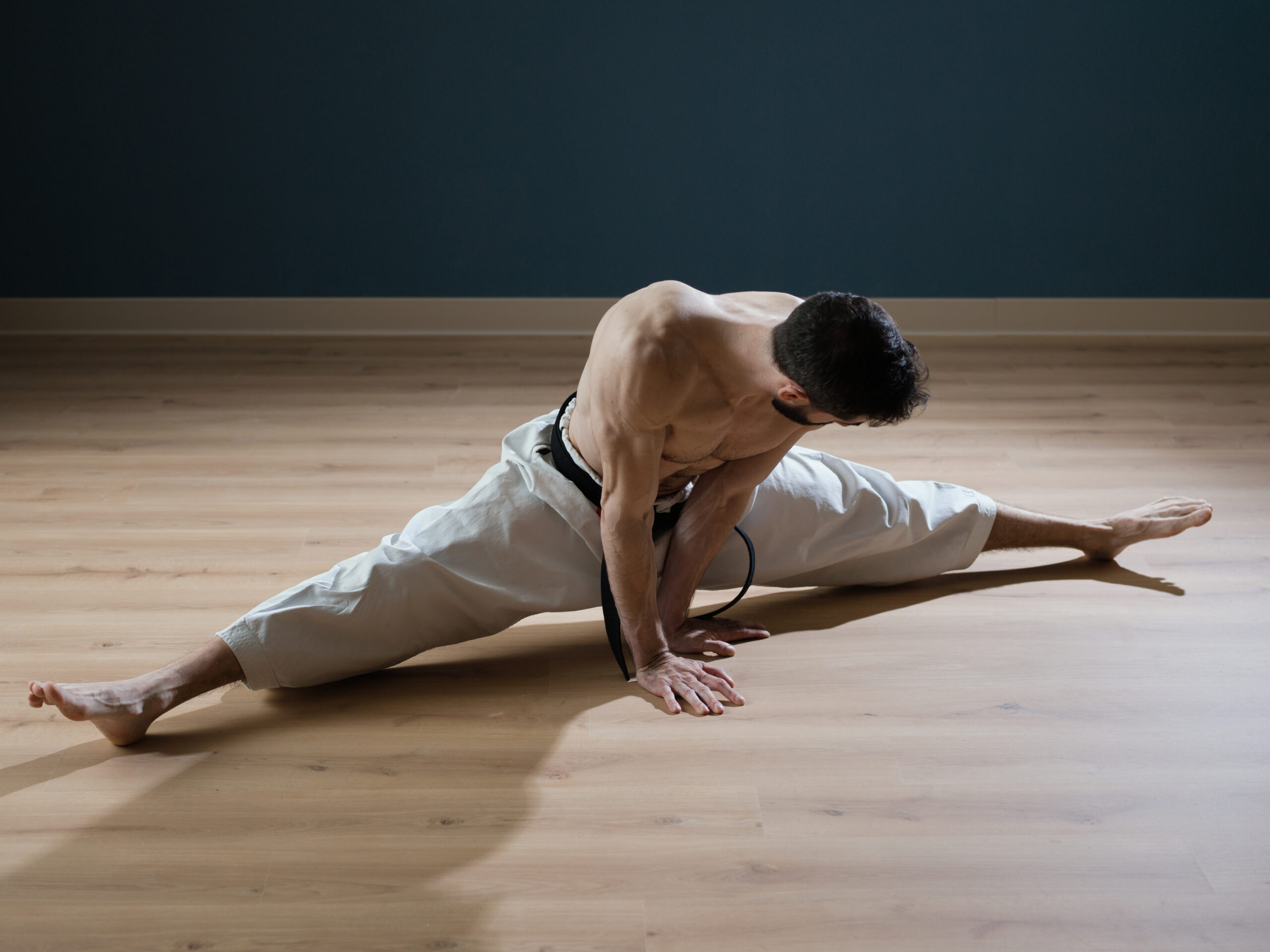 The Role of Jiu-Jitsu in Military Training on12 Oct 2025
Introduction
When people picture military training they often imagine obstacle courses, weapons ranges, and hand-to-hand drills that look more like movie fight scenes. Jiu-jitsu, however, quietly brings something different and incredibly practical to the toolbox: a system built around leverage, control, and smart problem solving. In the context of military training, jiu-jitsu isn’t just another martial art — it’s a method for solving close-quarters problems with efficiency, safety, and tactical sense.
Why jiu-jitsu matters on the battlefield (and in close-quarters)
Jiu-jitsu is not about brute force. It teaches fighters to use leverage, body mechanics, and timing to control an opponent — even when that opponent is stronger or larger. For military personnel who must operate in constrained environments (vehicles, hallways, crowded urban areas), those principles translate directly into lifesaving advantages:
Control over needless escalation. Soldiers often need to restrain or detain people without creating more danger. Jiu-jitsu offers techniques to immobilize and control an opponent safely, reducing the need for strikes and lowering the risk of unnecessary injury to both parties.
Ground fighting and recovery. Real engagements sometimes end up on the ground. Knowing how to escape bad positions, recover, and regain control is critical. Jiu-jitsu’s emphasis on positional awareness and escapes is tailor-made for that.
Efficiency in close quarters. Inside vehicles, narrow corridors, or damaged buildings, space and momentum are limited. Jiu-jitsu’s focus on tight-space technique — joint locks, chokes, and positional control — is far more practical there than wide, athletic striking.
Practical skills that translate to military tasks
Beyond technique, jiu-jitsu builds a set of concrete, transferable skills:
Situational awareness and timing. Jiu-jitsu trains students to read an opponent’s balance, intent, and weight distribution — a small-scale version of the situational awareness required in tactical operations.
Weapon retention and disarm strategies. A lot of jiu-jitsu training emphasizes controlling an opponent’s limbs and body, which helps in scenarios where an adversary may try to grab a weapon or where a soldier must retain their own weapon under physical struggle.
Nonlethal options and use-of-force judgment. Understanding how to control without injuring gives soldiers more options during the spectrum of force — important for peacekeeping, arrests, and operations among civilians.
Conditioning and pain tolerance. Rolling (sparring) in jiu-jitsu is high-intensity and unpredictable; it builds cardiovascular fitness, muscular endurance, and a tolerance for discomfort — all valuable for soldiers in prolonged engagements.
Problem solving under pressure. Jiu-jitsu is chess with bodies: it rewards patience, sequence planning, and adapting under stress. Soldiers who train in it often develop better composure and decision-making when things go wrong.
Training design: how jiu-jitsu is best integrated
For military usefulness, jiu-jitsu needs to be tailored — not copied from sport settings wholesale. A few design principles make it fit operational needs:
Scenario-based training. Use drills that mimic vehicle extraction, room clearing aftermath, detainee handling, and weapon retention scenarios so techniques are immediately applicable.
Focus on safety and control. Emphasize control positions and escapes over long competitive sparring that prioritizes submission hunting. The goal is repetition of operationally relevant mechanics.
Integration with combatives. Jiu-jitsu pairs well with modern combatives curricula: striking for creating space, jiu-jitsu for control and ground management, and de-escalation tactics for rules-of-engagement realities.
Stress inoculation. Gradually introduce stressors — time pressure, simulated noise, equipment, and multiple opponents — so practitioners can apply techniques while managing adrenaline and impaired decision-making.
Ethical and legal considerations
Soldiers operate under laws of armed conflict and complex rules of engagement. Jiu-jitsu’s value is that it increases options — especially nonlethal ones — but with that comes responsibility. Training must cover:
When restraint is appropriate vs. when lethal force is required.
Medical aftercare for arrestees or injured individuals.
Documentation and accountability for use-of-force incidents.
Beyond physical technique: the intangible benefits
Perhaps the most valuable, long-term contribution of jiu-jitsu is psychological. It teaches humility (you get tapped often), resilience (repeated failures breed solutions), and teamwork (rolling partners help each other improve). These traits map directly onto military culture: disciplined problem solving, calm under pressure, and mutual trust.
related posts
related posts